Independent Systems Research · Geospatial OSINT · AI Knowledge Graphs

Mapping research,
monitoring signals,
building systems for sensemaking

GraphAtlas is a collection of research tools and analytical interfaces — from AI paper lineage graphs to real-time geospatial monitoring. Each project turns complex, noisy data into something navigable.

200+ AI papers mapped
1000+ Graph relations structured
Multi Source OSINT layers
Live Spatial monitoring systems
scroll
Flagship work
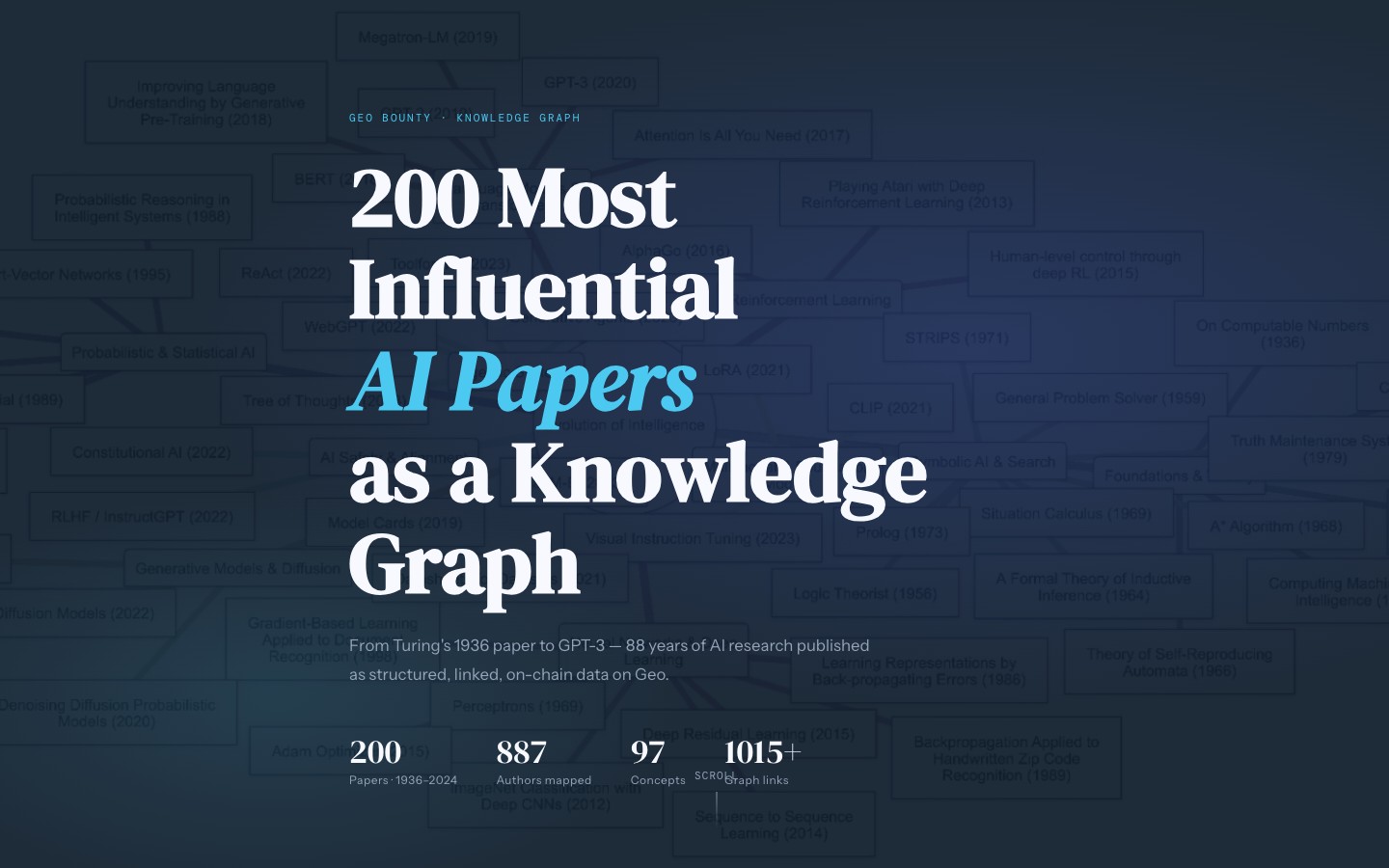
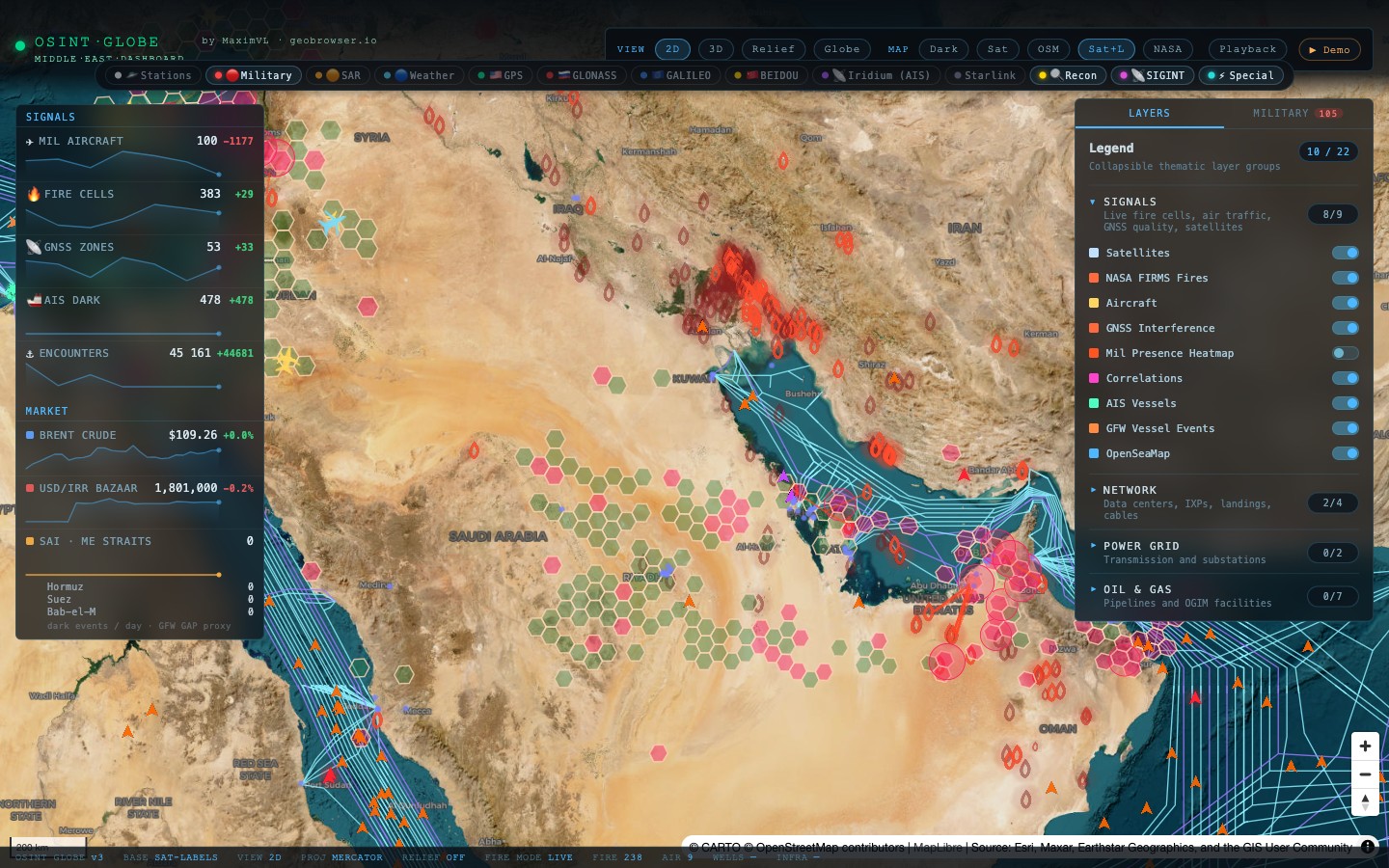
Evolution of Intelligence — AI papers atlas OSINT Globe — live geospatial event monitoring Research notes, methods, and system design
About the work →

Two flagship systems,
one research umbrella

01
AI Atlas Research lineage, concepts, papers

A structured map of influential AI work: papers, authors, concepts, datasets, eras, and the relations between them. Built to show how ideas evolve, not just which papers rank highly.

Top-200 papers Concept graph Authors Lineage
02
OSINT Globe Signals, layers, anomalies, geography

A live geospatial interface for open-source intelligence signals across aircraft, fires, satellites, conflict events, outages, and derived alerts. Built for monitoring, correlation, and situational awareness.

Live globe Geospatial OSINT Derived alerts
03
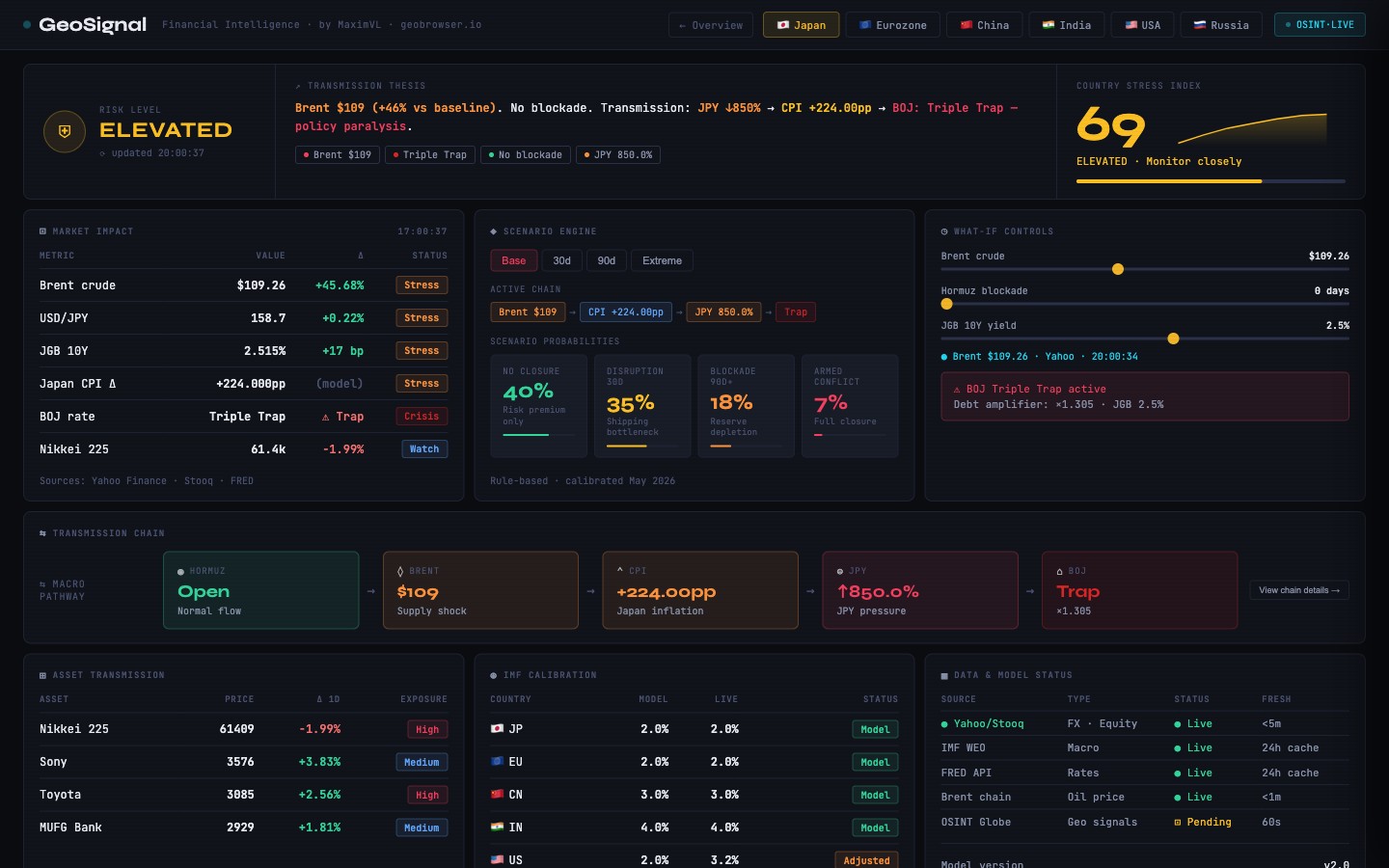
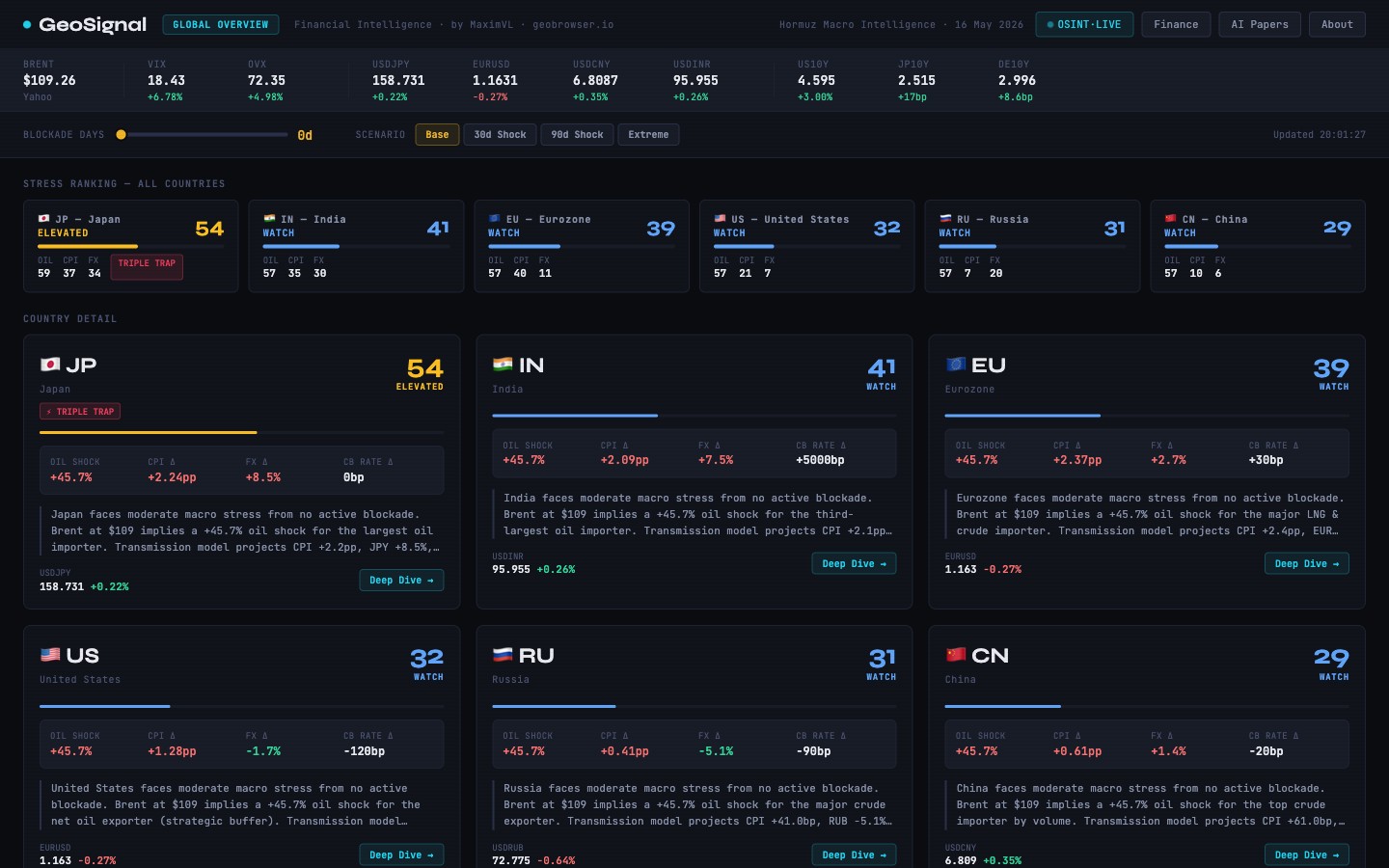
Research Systems Methods, architecture, analysis

The layer behind the visuals: ontology design, ingestion pipelines, alert logic, graph publishing, experimental interfaces, and practical research notes on how these systems are built.

Pipelines Ontology Visualization
04
About Who builds this and why

Independent work at the intersection of AI research, geospatial intelligence, and analytical tooling. Focused on building interfaces that make complex systems easier to inspect, reason about, and communicate.

Independent Builder Researcher

Not a generic portfolio —
an operating map of the work

This homepage should not repeat the AI presentation. Its job is to frame the whole project clearly: GraphAtlas as the umbrella, AI Atlas as the research map, and OSINT Globe as the monitoring system.

The value is not just in visual polish, but in the underlying structure: data models, source integration, graph logic, and interfaces that help turn scattered signals into something inspectable.

Read more →